Home › About
Written under a dark Texas sky, for every sky on Earth
SpacePloer is a small, independent newsroom in the Big Bend country of West Texas. We cover what's happening overhead and out in the solar system, and we try to write it so it works for anyone, anywhere, in plain words.
A newsroom with a very big window
Our home base is Alpine, Texas, a high-desert town a short drive from some of the darkest skies in the continental United States. When we write that the zodiacal light is visible before dawn, or that a meteor shower is going to be a disappointment, it's usually because we've stood outside and checked.
We write in English for a worldwide audience. A shower that's spectacular from Sydney might be invisible from Seattle, and a crescent that's easy over Houston might be impossible over Jakarta. We say so, every time, and we give every date in Universal Time with a conversion to your own clock.
Each report ends with its sources. When a number is an estimate, a forecast or a single team's interpretation, we label it.
Three habits we keep
Calculate before we write
Moon phases, rise and set times, altitudes and close passes are computed for the dates and places we name, using open-source astronomy software, before a story is drafted.
Show the work
Every report lists its sources. Mission dates come from the teams running them. Research results come from the published paper, not a summary of a summary.
Skip the hype
No "once in a lifetime" for annual events, no doom in asteroid headlines, and an honest warning when the Moon is going to ruin a shower.
Our relationship with NASA and other agencies
SpacePloer is not affiliated with, endorsed by, sponsored by, or a partner of NASA, ESA, or any other space agency, observatory or government body. We're an independent publication.
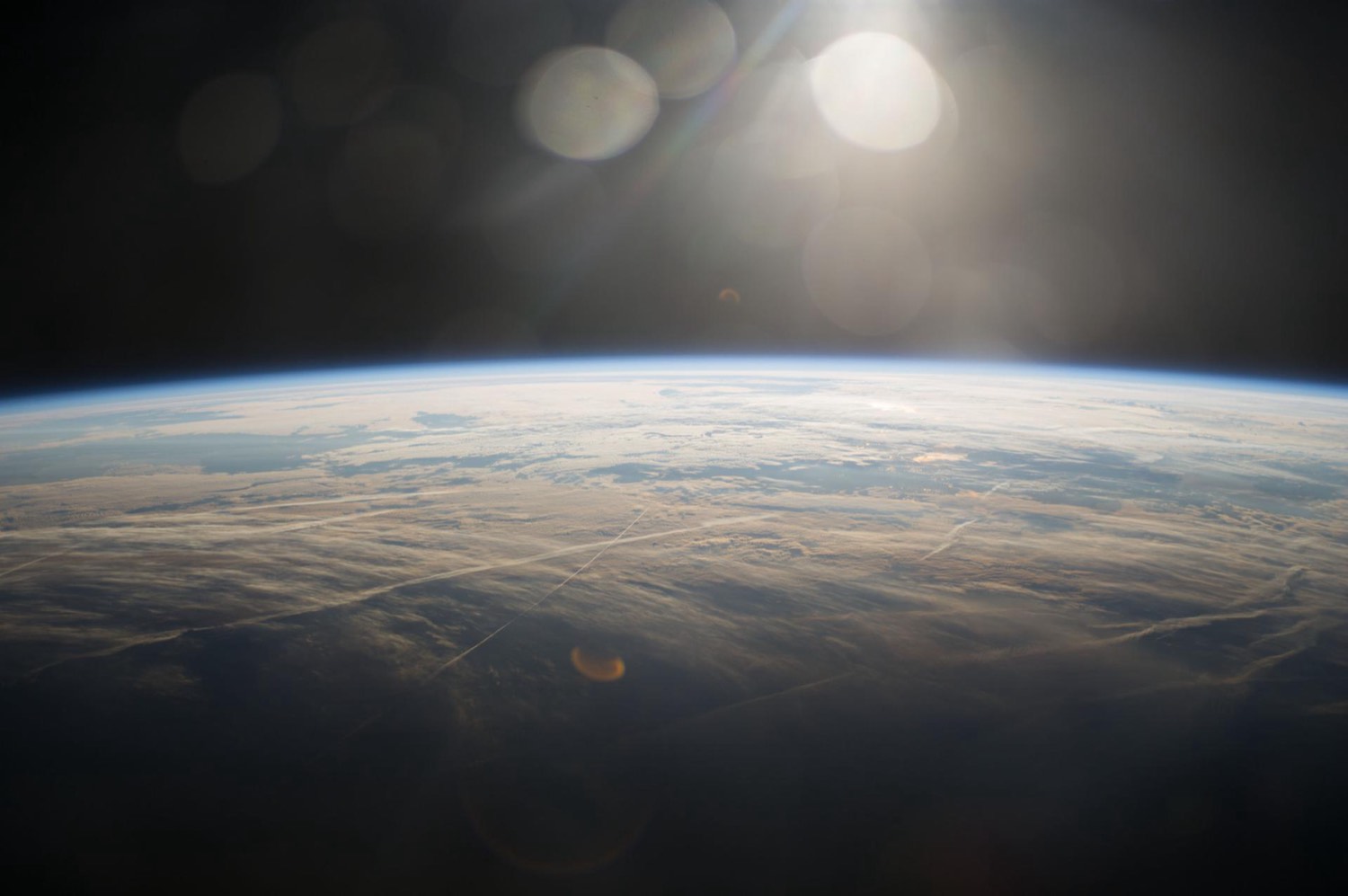
We report on these organizations' missions and research, and many of our photographs come from NASA's public-domain image library. NASA allows that use under its media guidelines, on the condition that it doesn't suggest endorsement, so you won't find any agency logos or insignia here. Every image is credited where it appears and listed on our image credits page.
The four beats
- Meteors: Showers, fireballs, and rocks that make it to the ground.
- Moon: Crescents, occultations, and the Moon playing tricks on your eyes.
- Stars: Stars that pulse, stars that nearly exploded, light you can see before dawn.
- Missions: Spacecraft arriving, swinging past Earth, or heading somewhere new.
Reports are credited to the team that filed them: Meteor Watch, Moon Log, Starfield Report and Mission Tracker.
How we pay for this
SpacePloer may carry clearly labelled advertising to cover hosting. Advertisers have no say in what we cover. We don't run sponsored stories dressed up as news. The full policy is in our editorial standards.
Get in touch
Tips, corrections, a photo of your sky, or a question you'd like answered in a report: write to the newsroom.